April 25, 2022

Nutrient supplementation using amino acid for growth and yield of silkworm, Bombyx mori L. | JBES 2021


Mr. Elizabeth H Madrid, Helen B Marzan, and Mr. Dominador S Nillo from the institute of the Silkworm R & D Section, Don Mariano Marcos Memorial State University, Sericulture Research and Development Institute, Bacnotan, La Union, Philippines, and Mr. Annellene M Badua from the College of Education, Don Mariano Marcos Memorial State University, North LaUnion Campus, Bacnotan La Union, Philippines, wrote a research paper entitled "Nutrient supplementation using amino acid for growth and yield of silkworm, Bombyx mori L." This paper were published by the Journal of Biodiversity and Environmental Sciences | JBES, on Volume 18, February issue 2021, under the publication of the International Network For Natural Sciences | INNSPUB

April 19, 2022

IJB Journals By INNSPUB | Journal Archive - April Issue 2022


April Issue 2022

Journal Name: International Journal of Biosciences | IJB

Content of the Issue

Proximate composition of some commercially available fish and poultry feeds sold in the market of Bangladesh

By: Md. Sabbir Hasan, Mahci Al Bashera, Farhana Jahan, Amin Hossain, Md. Waliullah, Md. Badrul Islam

Int. J. Biosci. 20(4), 1-8.

DOI: dx.doi.org/10.12692/ijb/20.4.1-8

Biological and phytochemical characterization of takermoust date syrup

By: Ymina Mimouni, Zahia Bayoussef , Oumelkheir Siboukeur

Int. J. Biosci. 20(4), 9-17.

DOI: dx.doi.org/10.12692/ijb/20.4.9-17

Efficacy of superabsorbent polymer on the stress condition of cowpea (Vigna unguiculata L.)

By: Roje Marie A. Clemente

Int. J. Biosci. 20(4), 18-29.

DOI: dx.doi.org/10.12692/ijb/20.4.18-29

Identification of suitable integrated weed management approaches for effective weed control in dry direct-seeded basmati rice (Oryza sativa L.)

By: Amir Ehsan, Muhammad Ehsan Safdar, Amjad Ali

Int. J. Biosci. 20(4), 30-40.

DOI: dx.doi.org/10.12692/ijb/20.4.30-40

Effect of nettle manure on agronomic and biochemical parameters of green bean (Phaseolus vulgaris L.)

By: Lila Abidi, Nadia Tirchi, Adel Kadri

Int. J. Biosci. 20(4), 41-49.

DOI: dx.doi.org/10.12692/ijb/20.4.41-49

GC-MS based phytoconstituents profiling and phytochemical investigation of Annona muricata L.

By: H.S.Tambe, A.M. Bhosale, R.D. Borse, P.M. Dighe, S.L. Kakad

Int. J. Biosci. 20(4), 50-58.

DOI: dx.doi.org/10.12692/ijb/20.4.50-58

Evaluation of lowland rice (Oryza spp.) varieties for tolerance to flooding in freshwater and estuarine agro ecosystems in Delta State

By: E.U. Uwuigbe, S.O. Akparobi, F.O. Oroka

Int. J. Biosci. 20(4), 70-84.

DOI: dx.doi.org/10.12692/ijb/20.4.70-84

Nutrient uptake and yield of paddy cultivated under intensification with fish amino acid as liquid organic fertilizer

By: Riza Adrianoor Saputra, Nukhak Nufita Sari, Ririn Norsaleha

Int. J. Biosci. 20(4), 85-96.

DOI: dx.doi.org/10.12692/ijb/20.4.85-96

Antioxidant potential of the ethanol, ethyl acetate, and petroleum ether extracts of Kyllinga nemoralis

By: Aileen May G. Ang, Irish E. Uyangurin

Int. J. Biosci. 20(4), 59-69.

DOI: dx.doi.org/10.12692/ijb/20.4.59-69

Serum lipid stabilising effect of sarabat (Diplazium asperum Blume) aqueous extract in diet-induced hyperlipidemic wistar albino rats

By: Pablo M. Afidchao Jr., Michael B. Ples

Int. J. Biosci. 20(4), 97-105.

DOI: dx.doi.org/10.12692/ijb/20.4.97-105

Get the full issue by following the link Archive for | IJB |- April 2022

 Call for Papers 2022 | INNSPUB Journals

INNSPUB Journals invites all respected researchers to submit their research papers, review papers, short communication, etc. in the different fields of Natural Sciences and Life Sciences including Biology, Biodiversity, Environmental Science, Agronomy, Agricultural Research, Ecology, Zoology, Botany, Mineralogy, Oceanology, Oceanography, Hydrology, Plant Sciences, Animal Sciences, Fisheries, Genetics, Biochemistry, Plant Physiology, Biotechnology, Molecular Biology, Microbiology, Pathology, Cell Biology, Aquatic Biology, and Agricultural Sciences. 

April 13, 2022

Influence of fertilizers on incidence and severity of early blight and late blight potato diseases | IJB 2021

Mr. Ngoh Dooh Jules Patrice (First and Corresponding Authors ) and Mr. Boydoul Frederic Ulrich from the Department of Biological Sciences, Faculty of Science, University of Maroua, PO Box 814 Maroua Cameroon, Mr. Nsimi Mva Armand, Research Fellow, from the IRAD Dibamba, Cameroon, PO Box, 243, Mr. Philippe Kosma from the Higher National Polytechnic School of Maroua, University of Maroua, PO Box 1450 Maroua and Mr. Ambang Zachee from the Laboratory of Biotechnologies, Phytopathology and Microbiology Unit, University of Yaounde I, PO Box, 812, Cameroon wrote a research paper entitled "Influence of fertilizers on incidence and severity of early blight and late blight potato diseases under field condition." This research paper published by the International Journal of Biosciences | IJB, in their January issue 2021, under the volume 18.

Abstract

The potato (Solanum tuberosum) production in the Far North Region, Cameroon is confronted with, diseases and pests. To improve the production of this plant, a study was carried out in Mouvou and Gouria to evaluate the impact of fertilizers on the development of late blight and early blight diseases of this plant. The experimental design used was a completely randomized block with 4 treatments: Mycorrhizae (MYC), NPK (20-10-10) chemical fertilizers, chicken droppings (CD) and a control (T). The plant material used was a local variety of potato (Dosa). Disease incidence and severity and rainfall were evaluated. Area Under Disease Progress Curve was calculated. At 60 DAS, mean incidences recorded for fertilizers were 5.7, 3.6, 1.8 and 0.8 % respectively for control, MYC, NPK and CD. In general, early blight severity decreased from 22.1% at 45 DAS to 0.3 % at 60 DAS. The highest AUDPC value of late blight at Mouvou site was observed in NPK treatment while potato in CD treatment had the lowest. The lowest AUDPC value of early blight was observed in CD treatment at both sites. AUDSIPC value for late blight was significantly higher in NPK treatment in both sites. The highest value of AUDPSIC of early blight was recorded in MYC treatment, 45 DAS in both sites. The average rainfall was higher in the Gouria site (716.5mm) than in Mouvou site (679 mm). The CD treatment can be recommended to the farmers for the phytosanitary protection of potatoes.

 Introduction

The potato (Solanum tuberosum L.) is an important food in many countries and is in the fourth place after the wheat, rice and corn crops. It is therefore the main non-cereal foodstuff in the world (FAO, 2013).World production was estimated at more than 368 million tonnes on 19.4 million hectares in 2013 (Issa et al., 2017). 

Originally from the highlands of Peru (Spooner et al.,2005), it was introduced to Africa during the colonial period (1884-1914). In Cameroon, potato is cultivated in areas of high altitudes, especially by small farmers (IRAD, 2012). Six of the ten regions are concerned, the North-West, the South-West, the West, Adamawa, the Littoral and the Far -North (Fontem et al., 2004). It constitutes a basic food for the populations of these regions and an important source of income because part of the production is either sold in the local market or exported to the neighboring countries. National production was estimated at 229 000 tonnes over 23 500 hectares in 2009 (IRAD, 2012). Thus, despite the importance of the potato in the national economy, total production remains below, yields are generally low (Njualem et al., 2001; Diop et al., 2019) and are between 3 and 11tonnes per hectare, while those of European countries are on average 25 tonnes per hectare ha and reach 60 tonnes per hectare (Sayed et al. 2015). 

In the Far North Cameroon Region, particularly in the Mogodé subdivision (Mayo-Tsanaga), the only and main production area, the low yields observed are associated with poor peasant farming practices (Ngoyi et al., 2020), the scarcity or inequality of the rains and especially to diseases and pests. 

Many diseases have been reported on potatoes in several countries (Alkher et al., 2015; Son et al., 2018) and in Cameroon (Fontem 2003; Fontem et al., 2004; Lontsi et al., 2019). Brown rot and Bacterial wilt (Ralstonia solanacearum) of potato are the major bacterial diseases in potato production area (Kong et al., 2016; Charkowski, 2020). Whereas more than 50 different viruses and one viroid have been reported infecting potatoes worldwide only a handful of them cause major losses (10–40 %) globally (Chiunga and Valkonen, 2013). Late blight (Phytophthora infestans) and Alternaria or early blight (Alternaria spp) appear to be the major fungi diseases threatening the production of potato in the world with more than 80% of losses (Ah-Fong et al., 2017; Abuley and Nielsen 2017). 

Several solutions have been proposed to overcome these diseases production constraints and increase yield These include the use of varieties with high potential production, resistance to diseases and adaptation to the agro-ecological zone (IRAD, 2012) and the use of chemical fertilizers by farmers. However, these fertilizers when there are within the reach of farmers, there is a lack of control over their use. 

This practice can disrupt the environmental balance. On the other hand, diseases encountered in the fields are caused by some cultural practices that enhance the development, proliferation, or reduction of thepathogens responsible for diseases, as well as epidemiological parameters (Thurston, 1992; Tompkins et al., 1992; Reid et al., 2004). Organic amendments and composting can affect the inoculum which is the primary source of disease infestation in the field (Thurston, 1992). 

Otherwise, the addition of certain mineral and organic fertilizers can lead to the rapid development of plants, making them more or less susceptible to attack by pathogens (Thresh, 1982; Nawal et al., 2014; Abiodum et al., 2015). Despite the knowledge about the relationship between fertilizer application and disease expression, fertilizer application is adopted by farmers in Cameroon just to increase their crop yield. But, little information is available on the effect of this applied fertilizer on the incidence and severity of diseases of potato. Knowledge of host nutrition concerning disease development provides a basis for modifying current agricultural practices to reduce disease incidence and severity (Lepoivre, 2003). Checkout more by following the link Influence of fertilizers on incidence and severity of early blight and late blight potato diseases under field condition

 Reference

Abiodun MO, Nafiu K, Osunlaja SO. 2015. Different Rates of Urea as Nitrogen      Fertilizer Affect Root and Stalk Rot Diseases of Maize in South West Nigeria. International Journal of Plant & Soil Science 7(1), 5-66.

Abuley IK, Nielsen BJ. 2017. Evaluation of models to control potato early blight (Alternariasolani) in Denmark. Crop Protection 102, 118–128.

https://doi.org/10.1016/j.cropro.2017.08.012

Ah-Fong AM, Kim KS, Judelson HS. 2017. RNA-seq of life stages of the oomycete Phytophthora infestans reveals dynamic changes in metabolic, signal transduction, and pathogenesis genes and a major role for calcium signaling in development. BMC Genomics 18(1), 198

https://doi.org/10.1186/s12864-017-3585-

Alkher H, Islam MR, Wijekoon C, Kalischuk M, Kawchuk LM, Peters RD, Al-Mughrabi K I, Conn KL, Dobinson KF, Waterer D, Daayf F. 2015. Characterization of Phytophthora infestans populations in Canada during 2012. Canadian Journal of Plant Pathology 37(3), 305-314.

https://doi.org/10.1080/07060661.2015.1053987

Charkowski A, Sharma K, Parker ML, Secor GA, Elphinstone J. 2020. Bacterial Diseases of Potato. In: Campos H., Ortiz O. (eds) The Potato Crop. Springer, Cham, p 351-388.

https://doi.org/10.1007/978-3-030-28683-5_10

Chiunga E, Valkonen JPT. 2013. First report on viruses infecting potato in Tanzania. Plant W.Dis 97, 1260.

https://doi.org/10.1094/PDIS-02-13-0143-PDN

Diop P, Sylla ES, Diatte M, Labou B and Diarra K. 2019. Effect of cut seed tubers and pre-germination on potato tuber yield. International Journal of Biological and Chemical Sciences 13(7), 3157-3163.

https://dx.doi.org/10.4314/ijbcs.v13i7.15

FAO. 2013. Food and Agriculture Organization of the United Nations statistics division. http://faostat3.fao.org/

Fontem DA. 2003. Quantitative effects of early and late blights on tomato yields in Cameroon. Tropicultura 21, 36–41.

Fontem DA, Younyi PC, Suh MN. 2004. Effects of Crop Sanitation and Ridomil MZ Applications on Late Blight Severity and Tomato Yields in Cameroon. Tropicultura 22(3), 122-126.

Gnamkoulamba A, Tounou AK, Tchao M, Tchabi A, Adjevi AKM, Batawila K. 2018. Evaluation au champ du potentiel de croissance et de la production du riz (Oryza Sativa L.) variété IR841 inoculé en pépinière par quatre souches de champignons mycorhiziens à arbuscules. European Scientific Journal 14(12), 452-481

http://dx.doi.org/10.19044/esj.2018.v14n12p452

IRAD. 2012.  (Institut de Recherche Agricole pour le Développement), Amélioration durable de la productivité et de la compétitivité de la filière plantain au Cameroun par l’utilisation des technologies innovantes, p 4-8.

Issa M, Ngakou A, Haouvang LC, Nukenine NE. 2017. Potentials of arbuscular mycorrhizafungi (AMF) and neem (AzadirachtaindicaA. Juss.) Leaves extract as biological Control agents against the sweet potato weevil (Cylas puncticollis Boch.) in two Agro-ecological zones of Cameroun. Journal of Experimental Agriculture Internation 17(1), 1-13.

https://doi.org/10.9734/JEAI/2017/35248

Kariuki WG, Mungai NW, Otaye DO, Thuita M, Muema E, Korir H, Masso C. 2020. Antagonistic effects of biocontrol agents against Phytophthora infestans and growth stimulation in tomatoes. African Crop Science Journal (28), Issue Supplement, s1 p 55-70.

https://dx.doi.org/10.4314/acsj.v28i1.5S

Kone N, Asare-Bediako E, Silue S, Kone D, Koita O, Menzel W, Winter S. 2017. Influence of planting date on incidence and severity of viral disease on cucurbits under field condition. Annals of Agricultural Sciences 62, 99–104.

http://dx.doi.org/10.1016/j.aoas.2017.05.005

Kong HG, Bae JY, Lee HJ, Joo HJ, Jung EJ, Chung E, Lee SW. 2014. Induction of the viable but nonculturable state of Ralstonia solanacearum by low temperature in the soil microcosm and its resuscitation by catalase. PLoS One 9(10), 109792.

https://doi.org/10.1371/journal.pone.0109792

Lepoivre P. 2003.  Phytopathologie.De loece, les presses agronomiques de Gembloux, p 413.

Litschmann T, Hausvater E, Petr Dolezal P. 2020. A new method of potato late blight forecasting in the Czech Republic. Journal of Plant Protection Research 60(2), 134-140.

Lontsi SLD, Ambang Z, Djieto CL, Wouom BCC, Heu A, Pegalepo AN. 2019. Effect of aqueous extracts of Thevetia peruviana K. seeds on the control of late blight and pest insects of Solanum tuberosum L. in Cameroon. Greener Journal of Agricultural Sciences 9(1), 14-22.

http://doi.org/10.15580/GJAS.2019.1.121418176

Moser M, Haselwandter K. 1983. Ecophysiology of mycorrhizal symbiosis, in: Encyclopedia of Plant Physiology, New Series, 12, Eds O. L. Lange. P. S. Nobel, C.B. Osmond and H. Ziegler. Springer, Berlin-Heidelberg-NewYork,) p 392-421.

Muengula-Manyi M, Mukwa, L, Nkongolo KK, Tshilenge-Djim P, Winter S, Bragard C, Kalonji-Mbuyi A. 2013. Assessing reactions of genetically improved and local cassava varieties to Cassava Mosaic Disease (CMD) infection in a savannah region of the DR-Congo. American Journal of Plant Sciences 4(4), 824-837.

http://doi.org/10.4236/ajps.2013.44101

Nawal I, Abdellatif OC, Mohamed C, Jihane T, Amina OT, Rachid B, Allal D. 2014. Effet de la fertilisation par différents niveaux de N P K sur le développement des maladies foliaires du riz.  Journal of Animal &Plant Sciences 23(1), 3601-3625.

Ngoh Dooh JP, Boydoul UF, Abdoul, Tchoupou TDB, Bouba D, Hawaou A, Philippe Kosma, Ambang Z. 2020. Inventory of the potato diseases and impact on growth and yield traits in far North Cameroon. International Journal of Biological and Chemical Sciences 14(8), 2826-2836.

Ngonkeu MEL. 2003. Biodiversité et potentiel des champignons mycorhiziens à arbuscules de quelques zones agro écologiques du Cameroun. Thèse de Doctorat 3e, cycle Université de Yaound.é I. p 258.

Ngoyi AN, Masanga GK, Bila HM, Yashima AY, Milambo MM, Ndjibu LN, Baboy LL. 2020. Effet des amendements organiques sur la croissance et le rendement de la pomme de terre (Solanum tuberosum) cultivée sur un sol dégradé dans la région de Kabinda, République Démocratique du Congo. International Journal of Biological and Chemical Sciences 14(5), 1812-1819.

https://doi.org/10.4314/ijbcs.v14i5.24

Sayed F, El-Sayed&Hassan A, Hassan Mohamed M, El-Mogy. 2015. Impact of Bio-and Organic Fertilizers on PotatoYield, Quality and Tuber Weight LossAfter Harvest. Potato Research 58, 67–81.

https://doi.org/10.1007/s11540-014-9272-2

Spooner DM, Mc Lean K, Ramsay GA. 2005. Single domestication for potato based onmiltilocus amplified fragment length polymorphism genotyping. Proceedings of the National Academy of Sciences of the United States of America 102, 14694-14699.

Reid LM, Zhu X, Ma BL. 2004. Crop rotation and nitrogen effects on maize susceptibility to Helmenthosporium maydis blight. Plant & Soil. 237 (1), 1-14.

Son D, Somda I, Legreve A, Schiffers B. 2018. Effect of plant diversification on pest abundance and tomato yields in two cropping systems in Burkina Faso: farmer practices and integrated pest management.  International Journal of Biological and Chemical Sciences 12(1), 101-119.

http://doi.org/10.4314/acsj.v9i1.27638

Thresh J. 1982. Cropping practices and virus spread. Annual Reviews phytopathology 20, 193-218.

Thurston HD. 1992. Sustainable practices for plant diseases management in traditional farming systems New Delhi, Westvew Press& Oxford&IBH Publishing Co.Pvt.Ltd..

Tompkins DK, Wright AT, Fowler DB. 1992. Foliar disease development in no-till winter wheat: influence of agronomic practices on powdery mildew development. Canadian Journal of Plant Science 72, 965-972.

Veresogloua SD, Bartoab EK, Menexesc G, Rilliga MC. 2013. Fertilization affects severity of disease caused by fungal plant pathogens. Plant Pathology 62, 961–969.

http://doi.org/10.1111/ppa.12014


March 31, 2022

IJB Journals By INNSPUB | Archive - March Issue 2022

IJB Journals By INNSPUB | Archive - March Issue 2022

Journal Name: International Journal of Biosciences | IJB

Content of the Issue

Farmer’s knowledge on aquaculture management practices and challenges in Tanzania

By: Frida Nyamete, Joseph Runyogote

Int. J. Biosci. 20(3), 1-15.

DOI: http://dx.doi.org/10.12692/ijb/20.3.1-15

Particle size of co-composted biochar: Influence on growth performance of lettuce and concentration of bioavailable soil nutrients under salinity stress conditions

By: Arifa Malik, Shamim Gul, Abdul Hanan Buriro, Hidayatullah Kakar, Tariq Ziad

Int. J. Biosci. 20(3), 16-28.

DOI: http://dx.doi.org/10.12692/ijb/20.3.16-28

Chemotherapy of rice blast (Pyricularia oryzae) under field conditions

By: Saneela Arooj, Salman Ahmad, Muhammad Akhter

Int. J. Biosci. 20(3), 29-36.

DOI: http://dx.doi.org/10.12692/ijb/20.3.29-36

Exploring the role of tiny, potent player microRNAs in tea plant (Camellia sinensis) under the influence of pathogen attacks: Review

By: Samina Kausar, Rana Badar Aziz, Muhammad Shahbaz, Muhammad Adeel Ghani, Abdullah bin shaikh, Muhammad Shah Nawaz, Mansoor Hameed, Muhammad Zia Shahid, Asad Nawab, Muhammad Usman Shoukat

Int. J. Biosci. 20(3), 37-51.

DOI: http://dx.doi.org/10.12692/ijb/20.3.37-51

Physicochemical and microbiological study of fresh cream and fermented butter (Smen) made from camel milk

By: Saïd Mosbah, Ghania Annou, M’hamed Bouricha, Safia Mekkaoui, Boudjenah-Haroun Saliha

Int. J. Biosci. 20(3), 52-59.

DOI: http://dx.doi.org/10.12692/ijb/20.3.52-59

Priority Prospective Products and Value-Added Agro-industry Products in Ecotourism Areas in Tanah Laut Regency, South Kalimantan, Indonesia

By: Meldayanoor, Gusti Muhammad Hatta, Agung Nugroho, Achmad Syamsu Hidayat

Int. J. Biosci. 20(3), 60-70.

DOI: http://dx.doi.org/10.12692/ijb/20.3.60-70

Initial report on retailed reef fishes in Talibon and Pres. Carlos P. Garcia main market, Bohol Province, Philippines

By: Jesse Jan Galera, Angelo Responte, Armi Gentales-Torres, Ivani Gerasmio, Maria Luisa Orbita

Int. J. Biosci. 20(3), 71-85.

DOI: http://dx.doi.org/10.12692/ijb/20.3.71-85

Compositional and microbiological quality of traditional fermented dried milk “Orud/Khurud”

By: Syed Ubaid Ullah Shah, Syed Muhammad Qasim, Nawab Khan Panezai, Muhammad Kamran Taj, Muhammad Alam, Muhammad Yayah, Zain-Ul-Abideen, Amanullah Kakar, Umbreen Zafar

Int. J. Biosci. 20(3), 86-98.

DOI: http://dx.doi.org/10.12692/ijb/20.3.86-98 

GC/MS analysis and in vitro antioxidant and antibacterial activity of essential oil of Artemisia herba-alba Asso of Algeria

By: Mounira Kadri, Sana Goubi, Nasrine Salhi

Int. J. Biosci. 20(3), 99-109.

DOI: http://dx.doi.org/10.12692/ijb/20.3.99-109

Use of oral contraception ‹‹pills›› and their effects on blood glucose among students of Public Universities of Côte d’Ivoire

By: Ahebié Magne Elisabeth, Zougrou N’Guessan Ernest, Kablan Kassi Jean-Jacques, Essien N’Da Georgette, Kouakou Koffi

Int. J. Biosci. 20(3), 110-119.

DOI: http://dx.doi.org/10.12692/ijb/20.3.110-119

 Get the full issue by following the link Archive for | IJB |- March, 2022

 Call for Papers 2022 | INNSPUB Journals

INNSPUB Journals invites all respected researchers to submit their research papers, review papers, short communication, etc. in the different fields of Natural Sciences and Life Sciences including Biology, Biodiversity, Environmental Science, Agronomy, Agricultural Research, Ecology, Zoology, Botany, Mineralogy, Oceanology, Oceanography, Hydrology, Plant Sciences, Animal Sciences, Fisheries, Genetics, Biochemistry, Plant Physiology, Biotechnology, Molecular Biology, Microbiology, Pathology, Cell Biology, Aquatic Biology, and Agricultural Sciences.


March 27, 2022

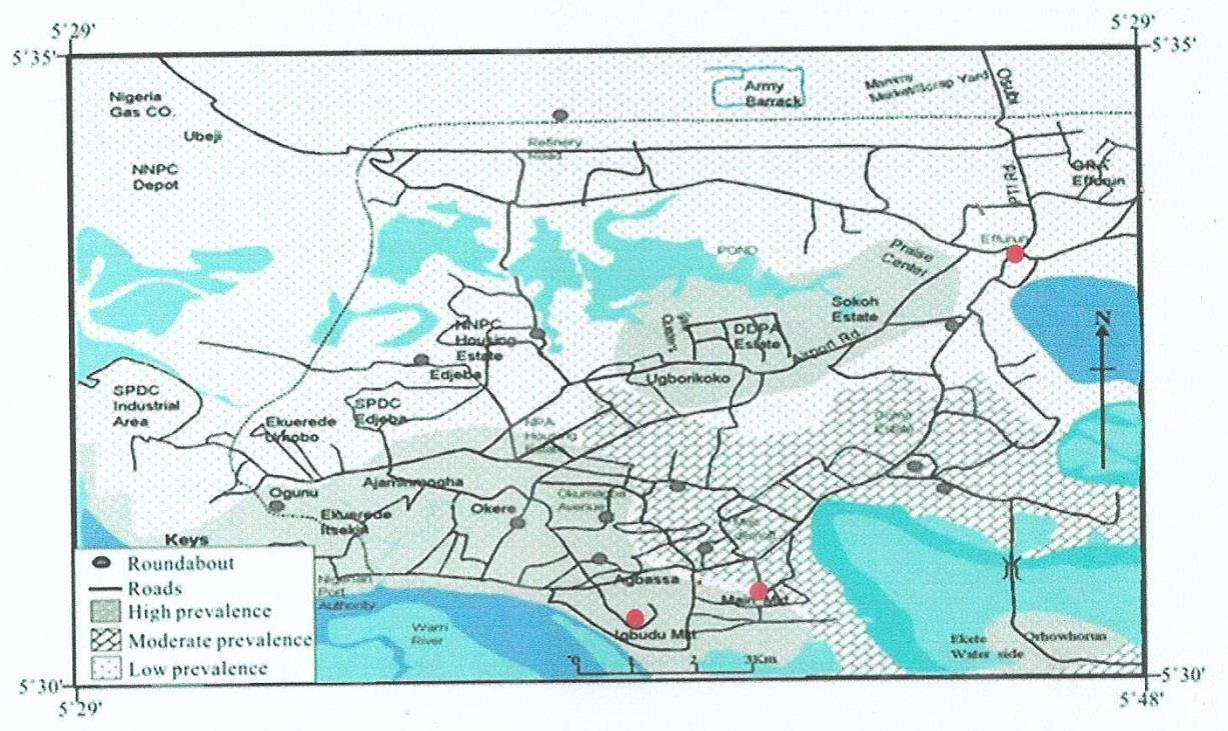
Fungal contamination of markets in Warri Metropolis: A threat to food security and human health | JBES 2020


Fungal contamination of markets in Warri Metropolis: A threat to food security and human health  By: E. M. Ilondu
By: E. M. Ilondu

This study reveals numerous fungal spores encountered in some markets in Warri metropolis. Market environment may serve as reservoir of human and plant pathogens due to wastes and debris dumped there that support the growth and proliferation of fungal spores. When these spores are inhaled by people may lead to different types of respiratory diseases. Infections of spores can also increase chances of mycotoxin contamination of food and other agricultural commodities sold in the market.

 Abstract

There is always population surge towards physical market because it is a major outlet for purchase of food items and other human needs. Biological contamination of air is one of the serious issues of the environment varying among geographic areas and sampling heights. The aeromycology of three major markets in Warri metropolis which include Effurun market, Igbudu market and Main market using open plate method was evaluated. The study was conducted for the period of six (6) months (April to September, 2017) at two heights: human height (1.5m) and building height (3.5m) and three different locations (foodstuffs, clothing and abattoir sections) in each of these markets. Petri dishes containing PDA medium were exposed for 5 mins and incubated in the laboratory for 2–3 days. Developed fungal colonies were counted and sub-cultured to fresh PDA medium for identification by morphological and microscopic examination using standard identification keys. A total of 6145 colonies with 35 species were isolated and identified. Main fungi identified with their percentage frequency of occurrence include Aspergillus niger 699(11.37%), Mucor mucedo 459(7.47%), Penicillium candidum 404(6.57%), P. digitatum 395(6.43%), Monilia sp 324(5.27%) among others. Off these fungi, members of the Deuteromycotina contributed 46.58%, Ascomycotina 38.76% and Zygomycotina 14.66%. The population of fungal colonies varied from month to month as follows: July>August>June>September>May>April. Human height has 4285(60.73%) colonies while building height was 1860(30.27) colonies. Igbudu market, Main market and Effurun market have 2412, 2030 and 1702 fungal colonies respectively. There are strong indications that these market environments are heavily contaminated with airborne fungal spores which may pose a serious threat to food security and human health. Continuous clean-up exercise of these markets is imperative.

There is always population surge towards physical market because it is a major outlet for purchase of food items and other human needs. Biological contamination of air is one of the serious issues of the environment varying among geographic areas and sampling heights. The aeromycology of three major markets in Warri metropolis which include Effurun market, Igbudu market and Main market using open plate method was evaluated. The study was conducted for the period of six (6) months (April to September, 2017) at two heights: human height (1.5m) and building height (3.5m) and three different locations (foodstuffs, clothing and abattoir sections) in each of these markets. Petri dishes containing PDA medium were exposed for 5 mins and incubated in the laboratory for 2–3 days. Developed fungal colonies were counted and sub-cultured to fresh PDA medium for identification by morphological and microscopic examination using standard identification keys. A total of 6145 colonies with 35 species were isolated and identified. Main fungi identified with their percentage frequency of occurrence include Aspergillus niger 699(11.37%), Mucor mucedo 459(7.47%), Penicillium candidum 404(6.57%), P. digitatum 395(6.43%), Monilia sp 324(5.27%) among others. Off these fungi, members of the Deuteromycotina contributed 46.58%, Ascomycotina 38.76% and Zygomycotina 14.66%. The population of fungal colonies varied from month to month as follows: July>August>June>September>May>April. Human height has 4285(60.73%) colonies while building height was 1860(30.27) colonies. Igbudu market, Main market and Effurun market have 2412, 2030 and 1702 fungal colonies respectively. There are strong indications that these market environments are heavily contaminated with airborne fungal spores which may pose a serious threat to food security and human health. Continuous clean-up exercise of these markets is imperative.

Introduction

The air, depending on the constituents of biological or nonbiological particles regulates the quality of the environment (Mahadeo and Kelpit, 2017). Biological contamination of air can be evaluated by an indoor (intramural) or outdoor (extramural) studies. Their composition and concentration vary greatly with respect to geographical location, human activities, natural sources, meteorological factors, sampling heights and techniques among others (Ginn-Gofron and Bosiacka, 2015: Makut et al., 2014: Mahedeo and Kelpit, 2017: Ghosh et al., 2011). 

Atmosphere of market air contains varied fungal spores that are hazardous to human health of which about 80% have been linked with respiratory disorders (Khan and Fatema, 2015; Bhajbhuje and Akare, 2018). Various allergic diseases including Asthma, Aspergilosis, Mycoses, Sinusitis among others have been attributed to inhalation of airborne fungal spores (Ahire and Sangale, 2012; Khan and Fatema, 2015; Hernandez and Martinez, 2018). As opined by Hagale and Patil (2008), airborne fungi have been regarded as indicator of certain level of atmospheric biopollution. Similarly, these fungal spores can settle on surface of food items causing their deterioration thereby reducing the market and nutritive values on one hand and on the other may be toxic to humans when consumed (Okigbo et al., 2008; Atando et al., 2009; Djeri et al., 2010; Fagbohun et al., 2010). On the whole, food security and human health are threatened. 

Markets are the major outlet for purchase or sell of food items, agricultural produce and other human needs. To this effect, there is always influx of people in and out of market environment. This study was conducted with the aim to (i) Isolate and identify fungal species of three market environments in Warri metropolis (ii) Study their occurrence in relation to different locations, meteorological data and sampling heights. It is hoped that the result of this study will sensitize the general public on the impact of fungal spores on their health and environment.

The air, depending on the constituents of biological or nonbiological particles regulates the quality of the environment (Mahadeo and Kelpit, 2017). Biological contamination of air can be evaluated by an indoor (intramural) or outdoor (extramural) studies. Their composition and concentration vary greatly with respect to geographical location, human activities, natural sources, meteorological factors, sampling heights and techniques among others (Ginn-Gofron and Bosiacka, 2015: Makut et al., 2014: Mahedeo and Kelpit, 2017: Ghosh et al., 2011). Atmosphere of market air contains varied fungal spores that are hazardous to human health of which about 80% have been linked with respiratory disorders (Khan and Fatema, 2015; Bhajbhuje and Akare, 2018). Various allergic diseases including Asthma, Aspergilosis, Mycoses, Sinusitis among others have been attributed to inhalation of airborne fungal spores (Ahire and Sangale, 2012; Khan and Fatema, 2015; Hernandez and Martinez, 2018). As opined by Hagale and Patil (2008), airborne fungi have been regarded as indicator of certain level of atmospheric biopollution. Similarly, these fungal spores can settle on surface of food items causing their deterioration thereby reducing the market and nutritive values on one hand and on the other may be toxic to humans when consumed (Okigbo et al., 2008; Atando et al., 2009; Djeri et al., 2010; Fagbohun et al., 2010). On the whole, food security and human health are threatened. Markets are the major outlet for purchase or sell of food items, agricultural produce and other human needs. To this effect, there is always influx of people in and out of market environment. This study was conducted with the aim to (i) Isolate and identify fungal species of three market environments in Warri metropolis (ii) Study their occurrence in relation to different locations, meteorological data and sampling heights. It is hoped that the result of this study will sensitize the general public on the impact of fungal spores on their health and environment.

 Discussion

This study has shown that the three market environments in Warri metropolis were contaminated by abundant fungal spores. Major spore types include those of Aspergillus niger, Mucor mucedo, Penicillium candidum, Monilia sp., Alternaria alternate, Aspergillus flavus, P. digitatum and Curvularia pallescens. Most of these fungi have been documented by other researchers in markets (Hogale and Patil, 2008; Ahire and Sangale, 2012; Kakde and Kakde, 2012; Khan and Fatema, 2015) and other environment (Makut et al., 2014; Prasad et al., 2015; Ilondu and Nweke, 2016; Mahadeo and Kalpit, 2017; Bhajbhuje and Akare, 2018; Njokuocha and Aguru, 2007, Ghosh et al., 2011). Aspergillus species were the most abundant in this study. Similar occurrence was recorded by Kakde and Kakde (2012), Khan and Fatema (2015); Ilondu and Nweke (2016), Ilondu (2017). Some of these fungi are known to cause allergic reactions in human, skin infections, food spoilage and diseases of plant in the field. As the market environment get contaminated by these spores, health challenges like Asthma, Aspergillosis, Eczema, Mycoses, Sinusitis among others become eminent. 

Generally, Alternaria, Aspergillus, Curvularia, Penicillium and Cladosporium have the history of being allergenic in nature (Hogale and Patil, 2008; Khan and Fatema, 2015) and have been proven to be biodeteriogens (Reddy, 2018). Mucor, Rhizopus and Absidia cause mucormycosis in man and animals, a species of Cercospora has been a cause of face lesions in man. Candida albican being implicated for various types of candidiasis in man while Geotrichum candidum is known to cause Geotricosis (Sharma, 1989; Hernandez and Martinez, 2018). The involvement of Curvilaria lunatus in human pneumonia has been reported and as opined by Louis et al. (2017), by year 2047, may have been evolved to a phenotype that will make disease management difficult. Botryodiplodia theobromae, Curvularia lunatus, Cercospora, Alternaria cause leafspot disease of many crops (Ilondu, 2013a; 2013b; Metrotra and Agawal, 2004; Shahzady et al., 2017). Accumulation of some of these fungal spores on food has been reported by Okigbo et al. (2008), Ilondu (2017). Species of Aspergillus, Alternaria and Fusarium have been associated with toxin production in stored food (Atanda et al., 2009; Adebayo-Tayo et al., 2009; Djeri et al., 2010; Fagbohun et al., 2010) which may be carcinogenic when consumed. Among all identified spore types, Deuteromycotina was the most abundant group. 

logarithmically with increase in height from the ground, while more airborne spores at human height may be due to proximity to natural sources at ground level and favourable meteorological conditions which aid release and dispersal of the spores. Meanwhile, market wastes have been indicated as one key source of fungal spores (Khan and Fatema, 2015). The slaughter section of the markets harboured highest number of fungal colonies, in comparison with foodstuff and clothing sections. It is possible that vigorous activities including dressing of carcass may have led to spread of mycoflora contaminants into the air (Syed and Sarangi, 2013). Nevertheless, the higher colony count in the foodstuff section must have been contributed by decaying and rottening of vegetables and other food items in that section (Khan and Fatema, 2015; Meraj-ul-Haque and Patil, 2016). Similarly, least number of fungal spores recorded in the clothing sections could be as a result of frequent cleaning and some level of hygienic practices observed there (Khan and Fatema, 2015). Therefore the effect of these fungi on human health and food security cannot be over emphasized.
This is in conformity with the reports of Kakde and Kakde (2012), Ahire and Sangale (2012), Mahadeo and Kalpit (2017). Moreso, Ascomycotina and Deuteromycotina have been shown to contain allergic microfungi (Bhajbhuje and Akare, 2018). This investigation also revealed that population of fungal colonies varies from month to month, the highest being recorded in the month of July. High humidity and rainfall with low temperature recorded in this month may have favoured the growth, sporulation and spore discharge into the market atmosphere. Availability of natural sources like dead and decaying market waste may have contributed to inoculum upsurge. The lowest concentration of spores observed in the month of April may be as a result of high temperature that does not favour the growth of fungi in the atmosphere. Similar results with regards to variation in the meteorological data were documented by Ahire and Sangole (2012), Grinn- Gofron and Basiacka (2015). 

Since fungi may react simultaneously to a combination of factors, it may not be easy to separate the influence of individual meteorological factors on the occurrence of these spores (Grinn-Gofron and Basiacka, 2015). The highest number of fungal colonies was recorded in Igbudu market compared to others. It could be due to overcrowding, poor sanitation and other human activities as suggested by Ayanbimpe et al. (2010) that population density affect the quality of environment. More so, lack of basic facilities for waste disposal may favour fungal proliferation. Fungal colonies recorded in building height were less in number compared to human height. Khattab and Estelle (2008) indicated that spore types decreased logarithmically with increase in height from the ground, while more airborne spores at human height may be due to proximity to natural sources at ground level and favourable meteorological conditions which aid release and dispersal of the spores. 

Meanwhile, market wastes have been indicated as one key source of fungal spores (Khan and Fatema, 2015). The slaughter section of the markets harboured highest number of fungal colonies, in comparison with foodstuff and clothing sections. It is possible that vigorous activities including dressing of carcass may have led to spread of mycoflora contaminants into the air (Syed and Sarangi, 2013). Nevertheless, the higher colony count in the foodstuff section must have been contributed by decaying and rottening of vegetables and other food items in that section (Khan and Fatema, 2015; Meraj-ul-Haque and Patil, 2016). Similarly, least number of fungal spores recorded in the clothing sections could be as a result of frequent cleaning and some level of hygienic practices observed there (Khan and Fatema, 2015). Therefore the effect of these fungi on human health and food security cannot be over emphasized. Get full articles via original source Fungal contamination of markets in Warri Metropolis: A threat to food security and human health

Journal Name: Journal of Biodiversity and Environmental Sciences | JBES

March 22, 2022

Effect of foliar application of water soluble fertilizer on growth, yield and quality attributes of tomato | IJAAR 2021

The tomato is the one of the most famous crops in Pakistan. It is used and consumed as fresh as well as in processed form. Its botanical name is Solanum lycopersicon Mill. The proposed study had been conducted in the year 2017-2018 in order to find the best combination of water soluble NPK fertilizers as compared to control. Five different types of water soluble fertilizers were collected from different sources and were applied at 5% concentration during the entire growing period of the tomato crop. The experiment was designed using Randomized Complete Block Design (RCBD) with five treatments and three replications of each. Different vegetative, reproductive and bio-chemical parameters were recorded and analyzed statistically at 5% level of significance. The treatments were compared using LSD test. It was concluded that different NPK water soluble fertilizers showed variation in physical and bio chemical parameters in tomato plants as compared to control. The plants showed variation in plant height, No. of fruit per plant, fruit yield per hectare, Individual fruit weight, fruit weight per plant, No. of diseased fruit per plant, date of first harvest, Fruit color Fruit length (cm), fruit size (cm), fruit firmness, total NPK contents, vitamincmg Chlorophyll concentration, pH, (TSS), Electricity conductivity (EC) and Titratable acidity Among all the water soluble treatments, the T3 treatment (WSF 20:20:20) yielded the comparatively better results as compared to other WSF treatments. So it was concluded that T3 was the recommended water soluble fertilizer for tomato.
This research paper is written by Mr. M Irfan Ashraf, M Bilal Shaukat and Mr. Waqar Khalid from the Institute of Horticultural Sciences, University of Agriculture, Faisalabad, Pakistan, Mr. Bakhatawar Liaqat, Shazia Kiran, Laraib Anam, and Mr. Zohaib Kaleem from the Department of Botany, University of Agriculture, Faisalabad, Pakistan, and Mr. M Abdullah from the Wheat Research Institute, AARI, Faisalabad, Pakistan. Lets get some knowledge about it.

Abstract

The tomato is the one of the most famous crops in Pakistan. It is used and consumed as fresh as well as in processed form. Its botanical name is Solanum lycopersicon Mill. The proposed study had been conducted in the year 2017-2018 in order to find the best combination of water soluble NPK fertilizers as compared to control. Five different types of water soluble fertilizers were collected from different sources and were applied at 5% concentration during the entire growing period of the tomato crop. The experiment was designed using Randomized Complete Block Design (RCBD) with five treatments and three replications of each. Different vegetative, reproductive and bio-chemical parameters were recorded and analyzed statistically at 5% level of significance. The treatments were compared using LSD test. It was concluded that different NPK water soluble fertilizers showed variation in physical and bio chemical parameters in tomato plants as compared to control. The plants showed variation in plant height, No. of fruit per plant, fruit yield per hectare, Individual fruit weight, fruit weight per plant, No. of diseased fruit per plant, date of first harvest, Fruit color Fruit length (cm), fruit size (cm), fruit firmness, total NPK contents, vitamincmg Chlorophyll concentration, pH, (TSS), Electricity conductivity (EC) and Titratable acidity Among all the water soluble treatments, the T3 treatment (WSF 20:20:20) yielded the comparatively better results as compared to other WSF treatments. So it was concluded that T3 was the recommended water soluble fertilizer for tomato.

Introduction

Tomato (Solanum lycopersicum Mill.) is considered as domesticated plant of Western and South America (Ali et al., 2012). Tomato ranks second after the potato crop in family Solanaceae while ranks first in term of processed crop. It is an annual vegetable crop grown in summer season. Temperature of 25-280C is favorable temperature for its growth and development (Ejaz et al., 2011). In Pakistan, spring and autumn crops are cultivated twice a year (Naz et al., 2011). China, India, Turkey, Egypt, Italy and Iran are main producer of tomato crop (Ali et al., 2013). Tomato (Solanum Lycopersicum Mill.) is a rich source of vitamins as well as antioxidants. It does not form acid stones and possesses a great amount of citric acid but forms alkaline, when enters into bloodstream. It also works as a liver cleanser when used in green vegetable juices. 

About 11 million acres in the world are under cultivation of tomato. India and China contribute about 40 percent in global production of tomato. Its demand is increasing with growing population of the world. Currently, Pakistan is standing at the 30th position while the United States of America is at the 1st and China is at the 2nd rank. (GOP, 2015). In Pakistan per acre yield of tomato is very low as compared to the yield of the world. It currently produces 4.00 tons per acre while the global production of tomato is 43 tons per acre. The maximum yield has been achieved in Belgium which is 202 tons per acre. Tomato (Solanum lycopersicon Mill.) is an herbaceous plant. It is a very important cash crop for small as well as bourgeois farmers and cultivated on wide area all over the world. It is a good source of vitamins as well as minerals (GOP, 2015). On the globe, annual production of fresh tomato is accounted for about 159 million tons. While, about quarter of these 159 million tons is used for the processing industry, which makes this crop the world’s leading vegetable crop for processing. 

Tomato (Solanum lycopersicon Mill.) production in Pakistan was 530 thousand tones during the year 2015. The top 8 producing countries account for 74.2% of the world’s yearly production. Tomato crop enjoys a huge export potential owing to its need in the international market. Tomatoes are exported to a number of countries including Afghanistan, Iran, U.A.E, Saudi Arabia, Sri Lanka and India. Afghanistan as well as Iran and UAE are central market hubs for tomatoes’ export from Pakistan. Pakistan is capable of increasing its share in these markets (GOP, 2015). The area, production and average yield of tomato in Pakistan have been getting varied in different eras. Since the year 2000-01 to the year 2009-10, area under tomato crop has been expanded from 27.9 to 50 thousand hectares and yield has jumped from 268.8 tons to 476.8 thousand tons. The current national yield of tomato crop is based on ten year’s average (10.1 tons/ha) which is very low. To get high yield, vigorous yielding varieties and improved production technologies should have to be adopted. 

The Province Baluchistan is leading province in tomato cultivation annually with an average area of 18.1 thousand hectares followed by KPK and Sindh with area of 15.6 and 10.7 thousand hectares, respectively (GOP, 2016). Low quality and low production of tomato is due to unbalanced application of micro and macro nutrients. The main function of the nutrients is to help the synthesis of chlorophyll and to activate the process of photosynthesis. Micro and macro nutrients are required to tomato crop in specific dose for proper growth and development (Rub and Haq, 2012). To overcome this production deficiency an experiment was arranged to find out best dose of water soluble N, P and K fertilizer. So that the foliar application of soluble fertilizers NPK in different doses is needed to examine to attain a good crop establishment, growth, quality fruit production and healthy yield of tomato crop. It can be beneficial for earning high market price. Get the full articles by following the link Int. J. Agron. Agri. Res. 18(1), 10-18. January 2021.

Reference

Ali A, Hussain I, Gul H, Masoud S, Khan A, Wahab F, Khan J. 2015. Effect of different doses of foliar fertilizer on yield and physiochemical characteristics of tomato (Solanum lycopersicum Mill.) cultivars under the agro climatic condition of Peshawar. International Journal of Biosciences 7(1), 58-65.

Ali W, Jillani MS, Naeem N, Waseem K, Khan J, Ahmad MJ, Ghazanfarullah. 2012. Evaluation of different hybrids of tomato under the climatic conditions of Peshawar. Sarhad Journal of Agriculture 28(2), 207-212.

Anand N. 1973. Studies on leaf analysis and an index of fertilizer needs in tomato M.Sc. (Ag) Dissertation, Tamil Nadu Agricultural University, Coimbatore, T.N. (India).

Anoop K, Indiresh KM. 2015. Effect of water soluble fertilizers on qualitative parameters of tomato. Asian Journal of Horticulture sciences 10(1), 41-44.

Batra VK, Makhan L, Kampoj OP, Arora SK, Suthar MR. 2006. Effect of foliar application of micro nutrients on quality and shelf-life of tomato. Haryana Journal of Horticulture sciences 35(2), 140-142.

Bhatt L, Srivastava BK. 2005. Effect of foliar application of micronutrients on physical characteristics and quality attributes of tomato (Lycopersicon esculentum Mill.) fruits. Indian Journal of Agricultural Sciences 75(9), 591-592.

Chaurasia SNS, Singh KP, Rai M. 2005. Effect of foliar application of water soluble fertilizers on growth, yield and quality of tomato (Lycopersicon esculentum L.). Sri Lankan Journal of Agricultural Sciences 42, 66-70.

Chaurasia SNS, Singh KP, Rai M. 2006. Response of tomato to foliar application of water soluble fertilizers. Vegetable Science 33(1), 96-97.

Ejaz M, Rehman SU, Waqas R, Manan A, Imran M, Bukhari MA. 2011. Combined efficacy of macronutrients and micronutrients as a foliar application on growth and yield of tomato grown by vegetable forcing. International Journal of Agronomy Veternity and Medicine Sciences 5(3), 327-335.

Government of Pakistan. 2015. Fruits, Vegetables and Condiments statistics of Pakistan. Government of Pakistan, Ministry of food and Agriculture. (Economic Wing), Islambad.

Government of Pakistan. 2016. Pre-feasibility study (offseason vegetable farming–high tunnel).

Guvence I, Badem H. 2000. Effect of foliar application of different sources and levels of nitrogen on growth and yield of tomato (Lycopersicon esculentum L.). Indian Journal of Agruicultural sciences 72(2), 104-105.

Jeybal A, Murlidhar RM, Palanippam SP, Helliah SC. 1998. Technical Bulletin on specialty Fertilizers. Agriculture Research Development Institute Secunderabad.

Karpagam R, Kannan M, Natarajan S, Sriniva K. 2004. Studies on the efficacy of foliar feeding of water soluble fertilizers on growth parameters and yield of Brinjal hybrid COBH. Journal of Horticulture 52(6), 139-142.

Kumar U, Chandra G, Raghav M. 2017. Nitrogen management in potato for maximum tuber yield, quality and environmental conservation. Vegetable Science 44(2), 43-418.

Lester GE, Jifon JL, and Makus DJ. 2010. Impact of potassium nutrition on postharvest fruit quality: Melon (Cucumis melo L) case study. Plant and soil 335(1), 117-131.

Narayanamma M, Chiranjeevi C, Reddy CS. 2006. Influence of water soluble fertilizers on yield of brinjal. Journal of vegetable sciences 33, 94-95.

Naz FI, Haq U, Asghar S, Shah AS, Rahman A. 2011. Studies on growth, yield and nutritional composition of different tomato cultivars in Battal Valley of district Mansehra, Khyber Pakhtunkhwa, Pakistan. Sarhad Journal of Agriculture 27(4), 569-571.

Rab A, Haq IU. 2012. Foliar application of calcium chloride and borax influences plant growth, yield and quality of tomato (Solanum lycopersicon Mill.) fruit. Turkey Journal of Agriculture and Forest 36, 695-701.

Souri MK, Dehnavard S. 2018. Tomato plant growth, leaf nutrient concentrations and fruit quality under nitrogen foliar applications. Advances Horticulture Sciences 32(1), 41-47.

Takahashi N, Maki H, Nishina H, Takayama K. 2013. Evaluation of tomato fruit color change with different maturity stages and storage temperatures using image analysis. IFAC Proceedings 46(4), 147-149.