Showing posts with label Agricultural Research. Show all posts

September 23, 2021

Research Paper of IJAAR Journal | Findings from a survey in Western Kenya to determine the soil fertility


Survey, Soil fertility technologies, Adoption

An open access scholarly research journal called International Journal of Agronomy and Agricultural Research published an articles entitled "Findings from a survey in Western Kenya to determine the soil fertility replenishment technologies adoption rates." in December Issue 2019, under the volume of 15. This research work are developed by PO Mongare, JR Okalebo, CO Othieno, JO Ochuodho, AK Kipkoech and AO Nekesa from the University of Eldoret, Eldoret, Kenya. Get some knowledge about it.


Abstract 

A survey on adoption levels of the existing soil nitrogen replenishing technologies amongst farmers in three counties in western Kenya was carried out in June 2011. Three farmer associations were Angurai Farmers Development Project (AFDEP), Bungoma Small-Scale Farmers Forum (BUSSFFO) and Mwangaza Farmer Group (MFAGRO). During the survey 223 farmers were interviewed with roughly a half of the households surveyed being members of farmer associations (FAs) and the other half being non-members, who acted as the control. Stratified random sampling technique was used. A repeated measures Analysis of Variance (RM – ANOVA) showed that various soil nitrogen replenishment technologies were adopted to various degrees, F (4.39, 855.43) =23.36, p<.001). The findings of this study indicated that the available technologies most extensively used in the study area were the use of inorganic fertilisers (DAP), planting of improved legumes processing, Lab lab, Push Pull, and Super 2 Package. 

QR Code

In second place, were technologies such as seed inoculation, foliar feed use, top dressing fertiliser (CAN) and use of improved legumes. The least used technologies were found to be Ua Kayongo (IR seed), MBILI intercropping, fortified compost, and use of Farm yard manure and liming. The results also indicated that generally, adoption of technologies was higher amongst farmer association members compared with non-members regardless of the county. Bungoma County had significantly highest level of technology adoption level compared to both Busia and Vihiga. Adoption of soil technologies was also found to be positively correlated with farmers’ educational level but inversely related with their age.

Discussion 

Generally, adoption level of technologies was higher in members of farmer associations compared to non- members. This was in line with other studies, for instance, Odembo et al. (2010) and Kebeney et al. (2015), in which membership in groups accelerated the adoption of soil fertility technologies. Group membership speeds up technology adoption by enabling farmers to learn about a technology via other farmers and from other development agencies (Nkamleu, 2007). Ramisch et al. (2006) found that farmer groups are a popular source of knowledge as they foster solidarity and build in-group morale.

In addition, farmers rely on information gained through interaction with peers i.e. their own experience before they make important decisions. Members in associations have the added advantage of buying inputs collectively at cheaper prices and this enhances technology adoption. Thus, group membership to FAs has potential that could be utilized for technology and information dissemination to enhance adoption because of their wider scope of operation. In that perspective, an extension officer is able to reach more farmers in a group than individual farmers at a given period. The results indicated that overall, Bungoma County had significantly higher rates of technology adoption compared to both Busia and Vihiga counties. Different technologies address the needs of the soil differently in specific soils and productivity per unit area. Soil fertility technologies that lead to high yields have a higher rate of adoption (Sileshi et al., 2010).

Checkout more articles from Kenya

This could have led to differences that occur in adoption of technologies counties. An example is Ua Kayongo that has higher adoption level in Busia and Vihiga because of higher infestation of striga due to low soil fertility than in Bungoma with higher soil fertility and lower striga infestation. In addition, membership of farmer associations was more extensive in Bungoma than in Vihiga or Teso. Given the beneficial effect of membership to farmer association with respect to adoption of soil management technologies, this could indirectly explain the higher adoption rates in Bungoma. Overall, the respondent’s gender did not significantly influence the adoption of the technologies. Odembo et al. (2010) have argued that gender per se might not heavily influence adoption of farm technologies. Rather, differences between men and women could arise from inherent resource inequities, in which women generally have lesser access to and control of critical resources, for instance, capital, land, labour, and information. For instance, this study found that the rate of adoption of top dressing technology (which involves the use of resource intensive nitrogenous fertiliser) is greater among males compared with females, suggesting that men might adopt resource intensive soil technologies more readily than female. Education highly influenced adoption of technologies, with more literate farmers comparatively using more technologies. This finding was similar to that by Kebeney et al. (2015) and Odembo et al. (2010). The positive effect of education on adoption of soil technologies might be two-fold: by increasing the knowledge and understanding of farmers about the techniques and secondly, better educated farmers are likely to have more disposable incomes, which could be crucial in financing some of the resource intensive technologies, such as, grain legume processing, liming, and DAP. The negative influence of age on adoption in the current study is consistent with the findings of Odera et al. (2000) in Kenya who found age to negatively influence adoption of soil fertility replenishment practices. As household heads grow older, their risk aversion increases and adapt less swiftly to new technologies. Increase in age also degrades the ability for the household head to participate in strenuous manual activities such as application of mineral fertilizers decline and this could reduce the speed of the adoption of labor-intensive technologies. Lastly, in this study, younger farmers belong to farmer associations, which have higher levels of technology adoption. Checkout more Int. J. Agron. Agri. Res. 15(6), 1-9, December 2019.

March 22, 2021

Research Paper on Effects of 60Co gamma radiation doses on seed germination of Jatropha curcas L.


Jatropha curcas L.

english language editing
Baudouin K. Nyembo, Alexandre N. Mbaya, Calvin C. Ilunga, Jean-Louis N. Muambi and Luc L. Tshilenge wrote a research paper on  seed germination of Jatropha curcas L., entitle of "Effects of 60Co gamma radiation doses on seed germination of Jatropha curcas L."
english language editing

This study aimed to assess the effects of different gamma radiation doses from Cobalt -60 isotopic source on seed germination and early growth parameters of Jatropha curcas L. Healthy and dry seeds were subjected to three doses of gamma rays (100, 200 and 300 Gy). The experiment was conducted using randomized complete block design, with three replicates. 

The significantly maximum germination percentage (89.85 %), seedling survival (92.3 %), seedling collar diameter (0.892 cm), plant height (17.30 cm), number of leaves (7) were observed at 30 days after germination. The results revealed that seed germination percentages and seedling shoot length decreased with increasing dose of gamma-rays. 

Higher gamma-ray dose (300 Gy) in particular had a pronounced effect on these germination parameters than others, probably because high-dose inhibited cell division due to free radicals and DNA system damage. The LD50 for seeds germination rates was obtained at 254 Gy. These results implied that germination traits of Jatropha curcas seeds were sensitive to increase in gamma-ray. 

Jatropha curcas, Gamma irradiation, Seed germination, LD50.

October 7, 2019

Evaluation of phenolic content of common bean (Phaseolus vulgaris L.) in association to bean fly (Ophiomyia spp.) infestation | IJAAR-Vol-14-No-3-p-9-13

By: Gaudencia J. Kiptoo, Miriam G. Kinyua, Oliver K. Kiplagat
english language editing
"" IJAAR welcome all of you to submit your research paper for publication in the field of Agriculture, Agronomy, Horticulture etc. Please submit your manuscripts via Online submission panel.""
english language editing
Common bean is the most important pulse crop in Kenya, though small scale farmers have limited access to pest resistant seeds. This has therefore made common bean yields remain below 1000kgha-1, while the potential is 2000kgha-1. However phenolics are secondary metabolites present in plants and this could be an attribute contributing to common beans resistance to bean fly infestation.
The objective of this study was to devise effective ways of managing bean fly by use of phenolic content present in commercial varieties of common beans. This was achieved by determining the total phenol content of the beans. The bean varieties were; KK 8, Tasha, KK 15 (Resistant check), Chelalang, Wairimu dwarf, Ciankui, GLP 585, Miezi mbili, GLP 2 (Susceptible check), GLP 1004, GLP 24, and GLP 1127. Experimental design was RCBD with three replications. Data collected were subjected to ANOVA, mean values were separated using LSD at 5% level of significance. Chelalang, Tasha, GLP 1004, KK 8, GLP 585 and KK 15 showed resistance and high yields. Phenol content was significant (P< 0.05) in resistant common bean varieties (KK8, Tasha, Chelalang, GLP 585, KK15, and GLP 1004). The common beans which showed significant resistance to bean fly had significant (P< 0.05) high yields of above 1000Kgha-1.

Therefore from the study it was evident that presence of phenol content in common beans deters bean fly infestation. Get the full articles via original publisher source at- Int. J. Agron. Agri. Res. 14(3), 9-13, March 2019.

english language editing

International Journal of Agronomy and Agricultural Research - IJAAR is an open-access scholarly research journal, published by International Network for Natural Sciences. IJAAR publishes original scientific research articles in the field of Agronomy and Agricultural Sciences. IJAAR published 2 Volume and 12 issue per the calendar year.

Gaudencia J. Kiptoo, Miriam G. Kinyua, Oliver K. Kiplagat.
Evaluation of phenolic content of common bean (Phaseolus vulgaris L.) in association to bean fly (Ophiomyia spp.) infestation.
Int. J. Agron. Agri. Res. 14(3), 9-13, March 2019.
https://innspub.net/ijaar/evaluation-phenolic-content-common-bean-phaseolus-vulgaris-l-association-bean-fly-ophiomyia-spp-infestation/


Reference

Beninger CW, Hosfield GL. 2003. Antioxidant activity of extracts, condensed tannin fractions and pure flavonoids from Phaseolus vulgaris L. seed coat color genotypes. Journal of Agricultural and Food Chemistry 51, 7879-7883.

Cheruiyot E, Mumera L, Nakhone L, Mwonga S. 2001. Rotational effects of grain legumes on maize performance in the Rift valley highlands of Kenya. African Crop Science Journal 9, 667-676.

Hillocks RJ, Madata SC, Chirwa R, Minja ME, Msolla S. 2006. Phaseolus bean improvement in Tanzania 1956-2005. Euphytica 150, 215-231.

Hillocks R, Waller J. 1997. Soil borne diseases of tropical crops. CAB International, New York. 3-5. Journal of Nutrition 95, 116-123.

Kamneria J. 2007. Study of Incidence and Damage by Bean Fly (Ophiomyia spp) and Grain Yield of Common and Climbing Beans. MSc Thesis. Egerton University, Kenya.

Kimiti J, Odee D, Vanhauwe B. 2009. Grain legumes cultivation and problems faced by small holder farmers in legume production in the semi-arid Eastern Kenya. Journal of Sustainable Development in Africa 11, 4.

Munyasa AJ. 2013. Evaluation of Drought Tolerance Mechanisms in Mesoamerican Dry Bean Genotypes. University of Nairobi, Nairobi, Kenya.

Mwang’ombe AW, Thiong’o G, Olubayo FM, Kiprop EK. 2007. Occurrence of Root Rot Disease of Common Bean (Phaseolus vulgaris L.) in Association with Bean Stem Maggot (Ophiomyia spp.) in Embu District 6, 141-146.

Ochilo W, Nyamasyo G. 2011. Pest status of bean stem maggot (Ophiomyia spp.) and black bean aphid (Aphis fabae) in Taita district, Kenya. Tropical and Subtropical Agroecosystems 13, 91-97.

Ojwang’ P, Melis R, Songa J, Githiri M. 2010. Genotypic response of common bean to natural field populations of bean fly (Ophiomyia phaseoli) under diverse environmental conditions. Field Crops Research 117, 139-145.

Peter K, Swella G, Mushobozy M. 2009. Effect of Plant Populations on the Incidence of Bean Stem Maggot (Ophiomyia spp.) in Common Bean Intercropped with Maize. Plant Protection 45, 148-155.

Robbins JR, Bean SR. 2004. Development of a quantitative high performance liquid chromatography -photodiode array detection measurement system for phenolic acids. Journal of Chromatography 1038, 97-105.

Robbins RJ. 2003. Phenolic acids in foods: An overview of analytical methodology. Journal of Agricultural and Food Chemistry 51, 2866-2887.

Romani A, Vignolini P, Galardi C, Mulinacci N, Benedettelli S, Heimler D. 2004. Germplasm characterization of Zolfino Landraces (Phaseolus vulgaris L.) by flavonoid content. Journal of Agricultural and Food Chemistry 52, 3838-3842.

Tenuta M. 2001. The role of nitrogen transformation products in the control of soil-borne plant pathogens and pests. Ph.D. Thesis. University of Western Ontario, London.

Toomsan B, Cadisch G, Srichantawong M, Thongsodsaeng M, Giller C, Limpinuntana V. 2000. Biological nitrogen fixation and residual N benefit of pre-rice leguminous crops and green manures. Wageningen Journal of Life Sciences 48, 19-29.

Wagara I, Kimani P. 2007. Resistance of nutrient-rich bean varieties to major biotic constraints in Kenya. Africa Crop Science Conference Proceedings 8, 2087-2090.

July 29, 2019

Effects of inorganic nutrient P and N application on Azolla biomass growth and nutrient uptake | IJAAR

 By: WA Oyange, GN Chemining’wa, JI Kanya, PN Njiruh
english language editing
"" IJAAR welcome all of you to submit your research paper for publication in the field of Agriculture, Agronomy, Horticulture etc. Please submit your manuscripts via Online submission panel.""
english language editing
Rice farmers in Mwea Irrigation Scheme routinely apply P and N fertilizers which affect water nutrient levels. A study was conducted to establish the effects of nutrient N and P application on Azolla biomass accumulation. The study was conducted in a batch culture experiment, using 5g of fresh Azolla biomass samples from each of the six major paddy schemes namely: Mwea, Ahero, West Kano, Bunyala, TARDA, and Taveta.
Treatments consisted of 0 and 3mg P l-1 and 0 and 200mg N l-1, laid out in a randomized complete block design replicated three times.  Azolla samples were grown in batch culture plastic pots of 8.4 x 10⁻³m3 for 10 days using canal water, which was replenished every three days. Fresh Azolla biomass weight was recorded at 0, 5 and 10 days after inoculation. Data was subjected to analysis of variance using SAS statistical package version 9.1 and means separated using the least significant difference test (p≤0.05). The pH levels in irrigation water averaged 7.2 while N, P and K levels were 20.2, 11.6 and 15ppm respectively. Tissue N and K for Azolla accession averaged 4.2% and 1.6% respectively. Biomass accumulation and doubling time of Azolla were significantly affected by exogenous P and N nutrient application. Doubling time ranged from 5.5 days to 6.7. Application N and P significantly reduced Azolla biomass accumulation and increased biomass doubling time.
 

Introduction

Azolla is a pteridophyte which forms a symbiotic association with a cyanobacterium-Anabaena azollae (Bocchi et al., 2010) and fixes nitrogen at a rate higher than legumes (Wagner, 1997). A study on Azolla has reported that Azolla contains 4.5% N, 0.4% P and 1.5- 3% K (Watanabe, 1989). In Mwea Irrigation Scheme, the existing species was found to contain 3.9% N, 0.44% P, and 1.08% K (unpublished). Azolla is capable of providing 40kg N ha-1 to the rice crop due to its nitrogen content which is released upon decomposition (Kannaiyan et al., 1982) reported that. This can reduce the cost of rice crop inorganic fertilizer, which constitutes 20% of rice production cost in Mwea Irrigation Scheme (Rice MAPP, 2012). In Mwea Irrigation Scheme, Azolla coverage is estimated at 30-50% during peak times and this is majorly dependent upon water availability (unpublished). Nutrient status and other environmental factors are major factors affecting Azolla biomass growth (Wagner, 1997). 
Extensive and intensive inorganic fertilizer use forms the primary source of the water nutrient status and eutrophication in water bodies (FAO/ECE, 1991). Depending on the levels, this can cause atmospheric, aquatic and ground water system pollution (Choudhury et al., 2005). Farmers in Mwea irrigation scheme apply estimated P and N fertilizer amounts of 58kg of P2O5 and 56kg of N per hectare respectively, based on recommendations by Wanjogu et al. (1997). These fertilizers applied contribute to the water nutrient status being conducive for Azolla growth. The nitrogen fixing ability of Azolla makes it able to grow in nitrogen deficient waters (Watanabe, 1979; Hussner, 2010). However, its growth is limited by the nutrient element P (Kitoh et al., 1993). Kondo et al. (1989) reported a maximum growth rate for Azolla under application of 3.1ppm P with a threshold limit of 0.5-0.6% P. 
The level of phosphorus in water bodies is varied and can be high due to fertilizer use and runoff. This can lead to Azolla blooms in paddies or flood waters. Depending on the water nutrient status, Azolla multiplies fast; doubling its biomass in less than 10 days and readily colonizes new areas (Campbell, 2011). Hussner (2010) reported a doubling rate of 3-10 days, while Kitoh (1993) reported a doubling rate of 2-3 days under laboratory conditions. The nutrient P is important for Azolla growth and reproduction (Sadeghi, 2012). Its deficiency has been shown to hinder the acetylene reduction activity (Tung et al., 1989). However, excess levels of nutrient P has been reported to have a negative effect on Azolla growth (Pitt et al., 2014). 
According to Rains et al. (1979), a P level of 0.34ppm is the lower threshold limit below which there is deficiency. Subudhi et al., (1981) reported that external P level of 5ppm is the higher threshold limit beyond which Azolla tissue N content is affected negatively. The nutrient N is important for Azolla growth but because of its N fixing ability, it is capable of growing in N free media (Hussner, 2010). External N has been shown to inhibit the activity of acetylene reductase activity (Yatazawa et al., 1980). Kitoh, 1991 showed that external ammonia N negatively affects Azolla growth and N fixation activity. The objective of this study was to determine the effects of P and N on Azolla biomass growth and tissue N and P uptake, in Mwea Irrigation Scheme. Get the full articles and pdf at: Int. J. Agron. Agri. Res. 14(2), 1-9, February 2019.

english language editing

International Journal of Agronomy and Agricultural Research - IJAAR is an open-access scholarly research journal, published by International Network for Natural Sciences. IJAAR publishes original scientific research articles in the field of Agronomy and Agricultural Sciences. IJAAR published 2 Volume and 12 issue per the calendar year.


Citation Sample

WA Oyange, GN Chemining’wa, JI Kanya, PN Njiruh.
Effects of inorganic nutrient P and N application on Azolla biomass growth and nutrient uptake. Int. J. Agron. Agri. Res. 14(2), 1-9, February 2019.

Reference

Effects of inorganic nutrient P and N application on Azolla biomass growth and nutrient uptake

Barton LJ. 1948. Photometric method of phosphate rock analysis. Analytical chemistry 20, 1068-1070.

Better Crops. 1999. Potash and phosphate Institute Vol. 83 No. 1.

Bocchi S, Malgioglio A. 2010. Azolla-anabaena as a bio-fertilizer for rice paddy fields in the Po valley, a temperate rice area in northern Italy. International Journal of Agronomy 2010, 152-158.

Campbell R. 2011. Azolla growth in farm dams, Agriculture Victoria. Online-http/agriculture.vic. gov.au/agriculture/farm). Date accessed 14/3/2016

Carrapiço F, Teixeira G, Diniz M. 2000. Azolla as a bio-fertiliser in Africa. A challenge for the future. Revista de Ciências Agrárias 23 (3-4), 120-138.

Choudhury ATMA, Kennedy IR. 2005. Nitrogen fertilizer losses from rice soils and control of environmental pollution problems. Communications in Soil Science and Plant Analysis, Volume 36, 2005 – Issue 11-12.

Costa ML, Santos MCR, Carrapico F. 1999. Biomass characterization of A. filiculoides grown in natural ecosystems and waste water. Hydrobiologia 415, 323-327.

Fishman MJ. 1965. The use of atomic absorption for analysis of natural waters.  Atomic absorption newsletter 5, 102-106.

Hussner A. 2010. NOBANIS–Invasive alien species Fact Sheet–Azolla filiculoides, online http/ www.nobanis.org. Date of accessed: 5/4/2014

Jackson ML. 1958. Soil chemical analysis. Prentice-Hall. Englewood Cliffs, N. J. 498.

Kannaiyan S, Kumar K. 2006. Biodiversity of Azolla and its algal symbiont, Anabaena azollae. National biodiversity Authority, Scientific Bulletin Number 2, 1- 31.

Kitoh S, Shiomi N. 1991. Effect of mineral nutrients and combined nitrogen sources in the medium on growth and nitrogen fixation of the Azolla anabaena association. Soil Science and plant nutrition 37(3), 419-426.

Kitoh S, Shiomi N, Uheda E. 1993.  The growth and nitrogen fixation of Azolla filiculoides  Lam. in polluted water. Aquatic botany 46, 129-139.

Kondo M, Kobayashi M, Takahashi E. 1989. Effects of phosphorus on Azolla and its utilization in rice culture in Niger. Plant Soil 120, 165-170.

Pereira AL, Teixeira G, Sevinate-Pinto I, Antunes T, Carrapico F. 2001. Taxonomic re-evaluation of the Azolla genus in Portugal. Plant Biosystems 135, 285-294.

Sadeghi R, Zarkami R, Sabetraftar K, Van Dammel P. 2013.  A review of some ecological factors affecting the growth of Azolla species. Caspian Journal of Environmental Science 11(1), 65-76.

Sah RN, Goyal SS, Rains DW. 1989. Interactive effects of exogenous combined nitrogen and phosphorus on growth and nitrogen fixation by Azolla. Plant and Soils Vol 117, pp 1-8.

Scollenberger and Simon. 1945. Methods used for soil plant and water analysis at soil laboratory of Manitoba 1967-1970.

Singh AL, Singh PK. 1987. Influence of Azolla management on the growth, yield of rice and soil fertility. Plant and Soil 102, 41-47.

Subudhi BP. 1981. Differential phosphorus requirements of Azolla species and strains in phosphorus-limited continuous culture. Soil Science and Plant Nutrition, 27(2), 237-247.  The International Rice Research Institute, Los Baños, Laguna, Philippines

Wagnermg. 1997. Azolla, a review of its biology and utilization. The Botanical Review 63, 1-26.
Watanabe I, Berja SN. 1979. Growth of Azolla in paddy field as affected by phosphorus fertilizer. Soil Science and Plant Nutrition Volume 26, 1980 –Issue 2.

Watanabe I, Berja SN. 1983. The growth of four species of Azolla as affected by temperature. Aquatic Botany 15, 175-185.

Yatazawa MN, Tomomatsu N, Hosoda N, Nunome K. 1980. Nitrogen fixation in Azolla-Anabaena symbiosis as affected by mineral nutrient status.  Soil Science and Plant Nutrition 26, 415-426.

April 20, 2019

Effect of storage methods of cassava planting materials on establishment and early growth vigour | IJAAR

By: Baraka Barnabas Mdenye
"" IJAAR welcome all of you to submit your research paper for publication in the field of Agriculture, Agronomy, Horticulture etc. Please submit your manuscripts via Online submission panel.""
Cassava (Manihot esculenta Cruntz.) establishment depends on quality of planting materials. The experiment was done to determine the effects storage and variety on crop establishment and early growth vigour. Karembo and KME 4 varieties were stored in clamp under double shade (CUDS), horizontal under shade (HUS), vertical under shade (VUS) and horizontal under open ground (HOUG) as control for 16 weeks.
Planting materials was sampled from each storage methods after every 4 weeks and taken to field to evaluate their sprouting ability, number of primary shoots formation, number of leaves, rate of leaf formation and early growth vigour. Data were subjected to ANOVA and means separated by LSD. Sprouting percentage at Kabete was 54.73 % while in Kiboko had 37.78 %. The results showed that Kabete had 1.60 number of primary shoots per plant compared to 1.04 of Kiboko. The results showed KME4 had higher sprouting than Karembo in both sites. This can be due to genetic difference among varieties. The rate of leaf formation at Kiboko was higher as compared to Kabete it could be contribute difference in temperature between locations. Thus, optimum temperature and relative humidity should be factored in cassava cuttings storage to avoid increased death of stored cuttings. In case of storage cassava cuttings, should be stored in clamp under double shade methods under low temperature and moderate RH.
Get original articles via publisher website. Int. J. Agron. Agri. Res. 12(1), 1-10, January 2018


International Journal of Agronomy and Agricultural Research - IJAAR is an open-access scholarly research journal, published by International Network for Natural Sciences. IJAAR publishes original scientific research articles in the field of Agronomy and Agricultural Sciences. IJAAR published 2 Volume and 12 issue per the calendar year.

Submit Your Article


January 7, 2019

IJAAR, October 2018 Issue | Int. J. Agron. Agri. Res. 13(4)

Water physico-chemical properties of the Khafjee and Jubail Sabkhas, Eastern Saudi Arabia
By: Sawsan Hussein Ahmed Karsani, Nayef S. D. AL-Shammari, Hatil Hashim EL-Kamali 
Int. J. Agron. Agri. Res. 13(4), 1-6. 

Pollination efficiency of Braunsapis sp. (Hymenoptera: Apidae) on Helianthus annuus L. (Asteraceae) flowers at Dang (Ngaoundéré, Cameroon)

December 7, 2016

Highlighting Bacillus subtilis GA1 antifungi potentialities for pineapple (Ananas comosus) conservation in CĂ´te d’Ivoire - IJAAR

By: Yao Fulgence Koffi, Waze Aimée Mireille Alloue-Boraud, Louis Ban Koffi, Amon Fabrice Adohi, Marcellin Koffi Dje, Marc Ongena
  1. Laboratory of Microbiology and Biotechnology, National Center of Agronomic Research (CNRA), CĂ´te d’Ivoire
  2. Department of Sciences and food Technology, University Nangui Abrogoua, CĂ´te D’ivoire
  3. Walloon Center of Industrial Biology (CWBI) Unit of Bio-Industries University of Liège Gembloux Agrobio-tech, Belgium, Passage des Déportés.
Pests, microorganisms and parasites are responsible for significant losses crops and especially fruits and vegetables, which threaten food human. CĂ´te d’ivoire, the first provider of pineapple (Ananas comosus) fresh on European market is facing in recent years to a drastic drop in production to several factors including the action of microorganisms during storage.
The struggle Chemical although effective drawbacks. This study aims using the Bacillus subtilis strain GA1 in biological control against germs responsible for alteration pineapple fruit in cĂ´te d’ivoire. A sample of twenty-five pineapple which has been used five healthy pineapple and five altered were used for the isolation of microorganisms and fifteen healthy pineapples were used for other tests. The main agents Fungal spoilage isolated pineapple fruit in this work were Aspergillus sp., Rhizopus sp., Fusarium sp., And Candida sp. The pathogenicity tests also confirmed that the isolated fungal strains are responsible for the pineapple fruit rotting.
The tests antagonists conducted in the presence of B. subtilis GA1 against fungi isolated showed inhibition rate of 81.2% for Aspergillus sp (s), 69% for Aspergillus sp (a), 64% for Rhizopus sp., and 57.14% for Fusarium sp. protection tests on fruits from biomass of B. subtilis GA1 helped preserve fruits over a period of fourteen (14) days with no mushrooms in the heart of the fruit. Source of the original articles at: Highlighting Bacillus subtilis GA1 antifungi potentialities for pineapple (Ananas comosus) conservation in CĂ´te d’Ivoire

Journal Name: International Journal of Agronomy and Agricultural Research (IJAAR)
Publisher Name: International Network For Natural Sciences (INNSPUB)

Download Pdf 

Source: International Journal of Agronomy and Agricultural Research @2015  Journal of agronomy


November 22, 2016

Fungal pathogens associated with grapevine wood lesions in Algeria International Journal of Agronomy and Agricultural Research (IJAAR)


By: Faiza Ammad1, 2*, Messaoud Benchabane2, Mohamed Toumi1
  1.  Departement of Biology, Ecole Normale SupĂ©rieure Kouba, BP. 92, 16050 Vieux-Kouba, Alger,
    Algéria
  2. Faculty of Natural Sciences and life, Departement of Biotechnology, University Blida1, BP 270
    Blida 09000 – AlgĂ©ria
A field survey was conducted in Algeria to assess the state of dieback in some vineyards and identification the fungal pathogens associated with necrotic wood lesions. Field surveys conducted during spring seasons in 2006 and 2012 revealed that an average disease incidience was 25 % , the indice of disease severity varied of 0.5-2%, based on herbaceous symptoms.
Some sections of wood cultivar, collected from four localities vine showed many kinds of necrosis, central sectoral(brown colour), necrosis sectoral(grey colour) and central light brown. Wood samples were collected and used for isolation and then placed on potato-dextrose (PDA) medium. The results showed that the presence of wood fungi mostly affected the vine trunk were isolated and the fungi were identified morphologically as Botryosphaeria species and Fomitiporia mediterranea. This articles available at: Volume 4, Number 6, June 2014 – IJAAR

Journal Name: International Journal of Agronomy and Agricultural Research (IJAAR)
Publisher Name: International Network For Natural Sciences (INNSPUB)

Download Pdf 

Source: International Journal of Agronomy and Agricultural Research @2015  Journal of agronomy

May 11, 2016

Evaluation of promising lines in rice (Oryza sativa L.) to agronomic and genetic performance under Egyptian conditions

rice

By Gala Anis, Ayman EL Sabagh*, Abdelfatah Ghareb, Ibrahim EL-Rewainy
  1. Rice Research and Training Center (RRTC), Field Crop Research Institute, ARC, Egypt
  2. Department of Agronomy, Kafrelsheikh University, Egypt
  3. Department of Agronomy, Hajee Mohammad Danesh Science and Technology University,
    Bangladesh
Key words: Correlation coefficients, Genetic parameters, Yield related traits, Rice, Yield improvement

A field experiment was conducted during the period 2014 and 2015 at the farm of Rice Research and Training Center, Sakha, kafr el-sheikh, Egypt for evaluation the performance of promising lines in rice to agronomic and genetic performance under Egyptian conditions. Results revealed that the Giza 179 produced the highest grain yield (5.44 kg/m2) followed by the promising line GZ9461-4-2-3-1 (5.26 kg/m2) and the commercial variety Giza 178 (5.07 kg/m2). Analysis of variance revealed significant differences among genotypes for all traits.

rice
The high genotypic coefficient of variability (gcv) and phenotypic coefficient of variability (pcv) recorded for number of filled grains/panicle indicate the existence of wide spectrum of variability for this trait and offer greater opportunities for desired trait through phenotypic selection. The phenotypic variance was higher than the corresponding genotypic variance for traits. Estimation of heritability ranged from 49.16% to 99.52% for number of panicle/plant and duration traits, respectively. High heritability coupled with high genetic advance was observed for growing period and plant height and indicate the lesser influence of environment in expression of these traits and prevalence of additive gene action in their inheritance hence, amenable of simple selection. The promising rice lines GZ9461-4-2-3-1 and GZ10147-1-2-1-1 performed better as compared with the commercial variety. Selection of these traits would be more effective for yield improvement in rice and these promising lines would be more valuable materials for breeders engaged in the development of high yielding cultivars. Source of original articles: http://bit.ly/1VSTXw7
 
More articles of this issue: Assessment of the efficiency of essential oils of Ocimum gratissimum L. (Lamiaceae) and Hyptis suaveolens (L.) Poit. (Lamiaceae) in the biological control against sclerotinia of Abelmoschus esculentus (L.) Moench (Malvaceae) or okra (cultivars Volta and H

Journal Name: International Journal of Agronomy and Agricultural Research (IJAAR)
Publisher Name: International Network For Natural Sciences (INNSPUB)

Download Pdf 

Source: International Journal of Agronomy and Agricultural Research @2015  Journal of agronomy

April 10, 2016

Effect of Ethephon stimulation frequency in downward tapping on the production potential in upward tapping among PB 260 clone of Hevea brasiliensis in Ivory Coast


By Kouadio Dian1*, Maturin Koffi Okoma1, Edmond Kouablan Koffi1, DĂ©sirĂ© N’da Pokou1, Modeste Kouassi Kan1, Gislaine Zaka Kouadjo1, Nazaire Koffi II Kouassi1, Abdourahamane Sangare3 and Samuel OBOUAYEBA
  1. Laboratoire Central de Biotechnologie, Centre National de Recherche Agronomique Abidjan, CĂ´te d’Ivoire
  2. Station de recherche de Bimbresso, Centre National de Recherche Agronomique Abidjan, CĂ´te d’Ivoire
  3. CORAF, Dakar, Sénégal
The present study evaluates the impact of different stimulation frequencies of Ethephon in downward tapping on the production potential of trees in upward tapping of the clone PB 260 of Hevea brasiliensis. Six parameters are measured: production per tree, tapping panel dryness percentage and four latex biochemical parameters which were dry rubber content, inorganic phosphorus, sugar and thiols. The results show that in downward tapping, generally, the biochemical parameters level is inversely proportional to the stimulation frequency during years 9 and 10. Regarding the production, beyond four stimulations per year, it is inversely proportional to the stimulation frequency. 

When the trees are tapped upward with a four stimulation uniform per year, the production continues to be low according to the preceding frequency stimulation in downward tapping beyond four stimulations per year. However, the factors which caused this decrease don’t seem to be the same in the first and the second years of upward tapping. In the first year of upward tapping, according to the evolution of the biochemical parameters, the decrease in production is linked to physiological tiredness due to the stimulation in downward tapping. On the other hand, in the second year, it is a phenomenon of familiarization to Ethephon which could explain the decrease in production on treatments which received more than four stimulations per year in downward tapping. In second year of upward tapping, the trees need more than four times per year Ethephon stimulations to reach their production potential. Get the full articles at: Int. J. Agr. Agri. Res. 8(2), 51-63, February 2016.
Effect of Ethephon stimulation frequency in downward tapping on the production potential in upward tapping among PB 260 clone of Hevea brasiliensis in Ivory Coast
More articles of this issue: Impact of environmental conditions on the yield variability of durum wheat (Triticum durum. Desf ) and its associated characters at Algerian semi-arid areas

Journal Name: International Journal of Agronomy and Agricultural Research (IJAAR)
Publisher Name: International Network For Natural Sciences (INNSPUB)

February 23, 2016

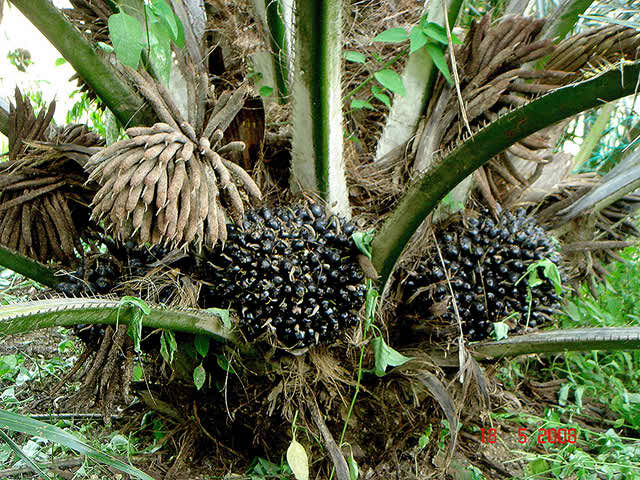
Estimating stored carbon stock in oil palm (Elaeis guineensis Jacq.) plantation by age group in PT daria dharma pratama plantation Bengkulu Indonesia - IJJAR


By: Yuliyanto, Dede Setiadi, Sulistijorini
Key Words: Carbon biomass, Oil palm plantation, PT DDP.
Int. J. Agr. Agri. Res. 8(1), 81-86, January 2016.
Abstract
The increasing concentration of carbon in the atmosphere is a serious environmental problem that can affect living system on earth. The increase in greenhouse gas emissions caused global warming that will affect the world climate change and rising sea levels. Climate change will disrupt farming system in both the micro and macro scale.


Estimation of forest carbon emissions is one of the important efforts to reduce climate change. Land clearing for palm oil plantations will affect the stored carbon in the forest reserves. The aim of this study is to determine the biomass stored carbon stocks in oil palm plantations by age group in oil palm plantations in PT Daria Dharma Pratama (PT DDP), Bengkulu Province, Indonesia. Methods of measuring the stored carbon stock of palm oil biomass using allometric equations, is non-destructive method.


Methods of measuring the stored carbon stock of undergrowth biomass and piled of oil palm fronds up was conducted by destructive methods. The largest biomass stored carbon stock was in the age group of 11-15 years crop of 69.32 tonnes ha-1. Then, in the age group of 16-20 years were 54.13 tonnes ha-1, age group of >20 years were 34.91 tonnes ha-1, the age group of 6-10 years were 34.16 tonnes ha-1, and the age group 0 – 5 year were 6.98 tonnes ha-1, respectively. Stored carbon stock in oil palm was influenced by the age of the plant, soil fertility, as well as plant growth and development. Get the full articles at: http://bit.ly/21caZbF
Journal Name: International Journal of Agronomy and Agricultural Research (IJAAR)
Publisher Name: International Network For Natural Sciences (INNSPUB)


Download Pdf 

Source: International Journal of Agronomy and Agricultural Research @2015  Journal of agronomy

February 13, 2016

Morphological and physiological changes of aloe (Aloe barbadensis Miller.) in response to culture media - IJAAR an open access scholarly research journals


By Amir Foroutan Nia1, Abohassan Farhang Sardrodi2, Mohammad Mehdi Habibi1, Sanaz Bahman1*
  1. Department of Horticulture, Islamic Azad University, Karaj Branch, Karaj, Iran
  2. Department of Horticultural Sciences, University of Zanjan, Iran
Key words: Aloe barbadensis Miller., Culture media, Morphological, physiological parameters


Aloe is a plant of the family Liliaceae, with fleshy leaves and filled with gel containing health care costs are enormous and are used in the treatment of many diseases. To investigate the effects of culture media on morphological and physiological parameters of Aloe (Aloe barbadensis Miller.) plants, an experiment on the basis of randomized complete blocks design with 13 treatment and 4 replications was conducted in 2013.


The treatments were components of manure, sand, peat, pumice, tea wastes and rice husks in two level (25% and 50%) with soil in two level (50% and 75%). Effect of culture media was significant on all of parameters except for leaf diameter and total suspended solid (TSS). Results showed that the most number of leaves per plant (13 leaves.plant-1) and root weight (41g.plant-1) in medium of 25% pumice + 75% soil, the most leaf width (3.4 cm) with 25% peat + 75% soil, the maximum offset weight (65.5 g.plant-1), gel weight (257.2 g.plant-1) and weight of plant aerial parts (547.5 g.plant-1) in treatment of 50% pumice + 50% soil and the highest number of offset per plant (3.25 offset.plant-1) with application of 25% tea wastes + 75% soil was attained.
The best treatments to increase the morphological and physiological parameters are components of pumice, peat and tea wastes in combination with soil because of higher amount of organic carbon and cation exchange capacity and proper pH of the media. 


Journal Name: International Journal of Agronomy and Agricultural Research (IJAAR)
Publisher Name: International Network For Natural Sciences (INNSPUB)


Source: International Journal of Agronomy and Agricultural Research @2015  Journal of agronomy